The Hidden Protocol That Powers High-Quality Red Light Therapy Manufacturers
Introduction
Have you ever wondered why a session of red light therapy sometimes feels transformative and other times like a gimmick? I ask that because recent clinic audits show up to 40% variance in device output across units sold in the same price band—so this is not a small problem. As someone who has worked closely with a red light therapy manufacturer, I’ve seen the knobs they turn and the corners they cut (and yes, that matters). The typical clinic will run into issues with inconsistent spectral irradiance, poor heat sinking and under-spec LED drivers; these are measurable facts, not just anecdotes. So what exactly causes the gap between the glossy ads and the results you feel on your skin? Let us step into the hardware and the habits that explain the mismatch—and then, importantly, what to look for next.
Deep Dive: Where Traditional Solutions Fall Short
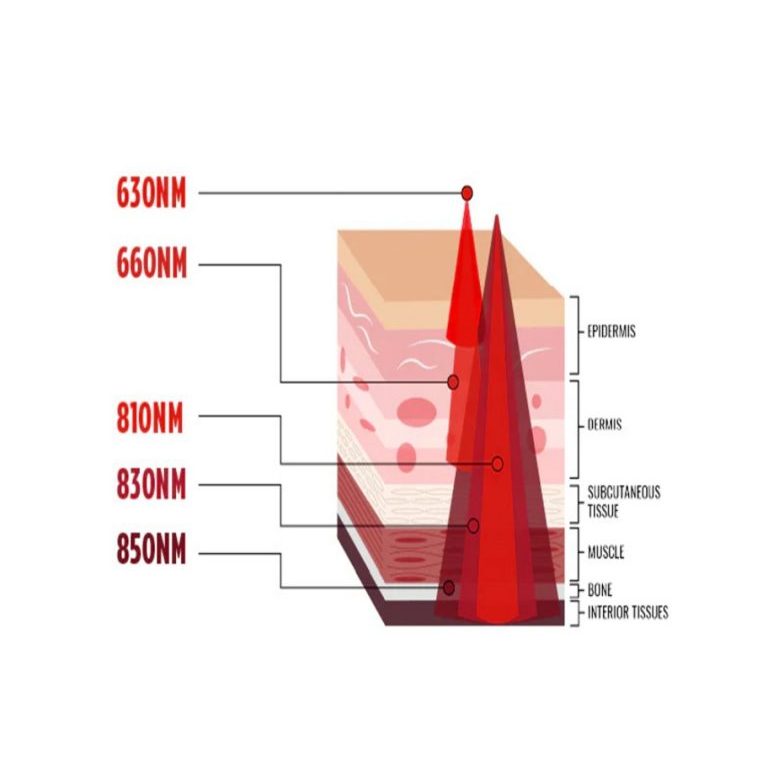
led light therapy manufacturers often promise clinical-level performance. But when I peel back the casing, the reality is messier. Many designs rely on low-grade LED drivers and underpowered power converters to save cost. That means the wavelength control drifts under load, and spectral irradiance drops during a treatment session. Users notice less warmth, slower recovery, or no noticeable change—and they blame the therapy, not the supply chain. Look, it’s simpler than you think: consistent output needs proper thermal design, reliable LED drivers, and clear testing protocols. Without these, even a device that looks robust on paper will underperform in practice.
Why do well-intended designs still fail?
We often assume failure is due to poor manufacturing alone. Yet, I’ve learned it’s also about mismatched specifications and optimistic marketing. Designers pick LEDs for luminous flux, not for the precise wavelength bands that drive cellular responses. Heat sinks are undersized, so junction temperatures climb and output shifts. OEM/ODM arrangements sometimes introduce miscommunication—component sourcing may change mid-run, and edge cases (like long treatment cycles) are ignored. The result: users face hidden pain points—longer recovery times, uneven coverage, and devices that need frequent recalibration. I find that those are the real complaints, and they matter far more than a single flashy chart.
 Future Outlook: Principles, Practical Steps, and Metrics
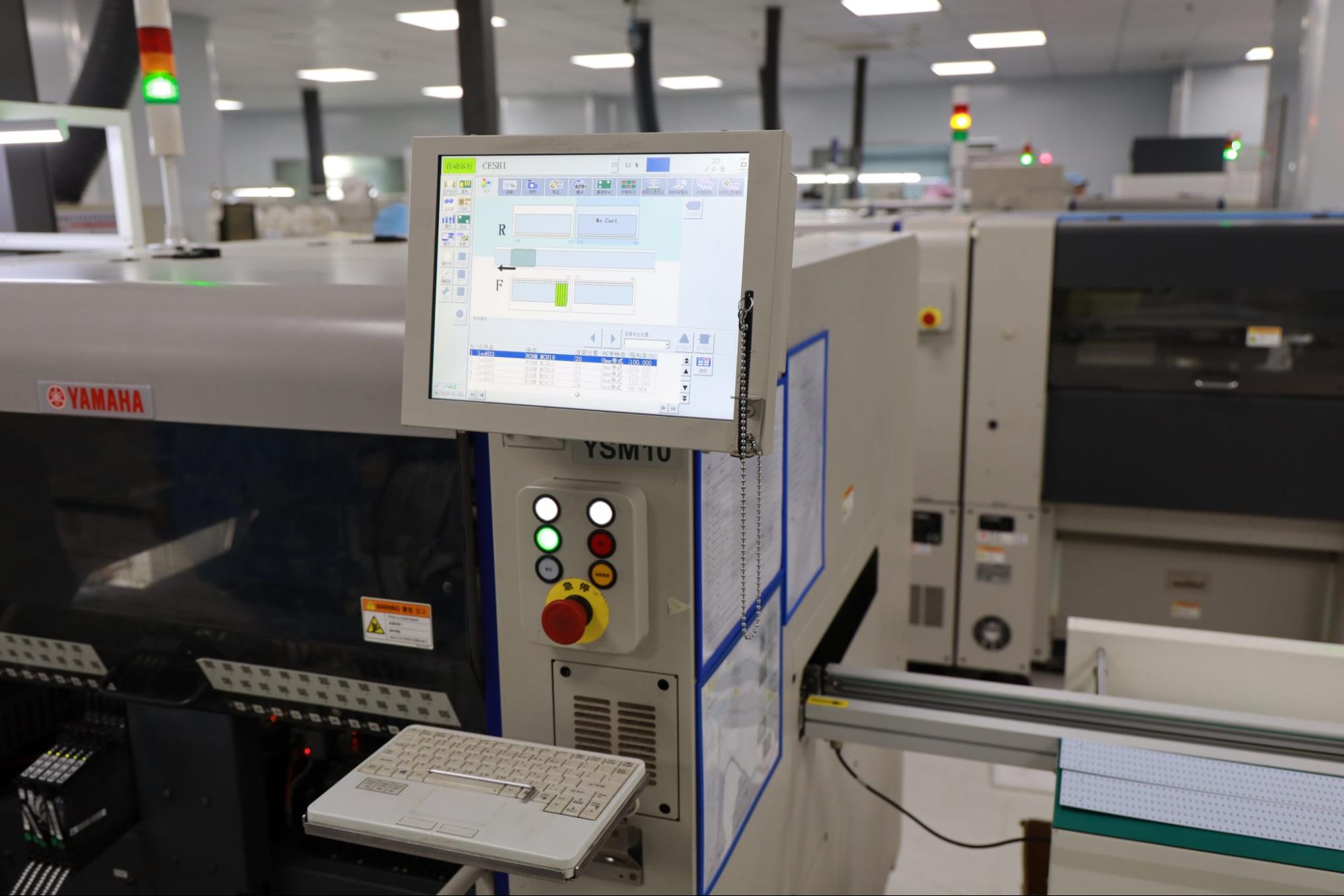
When I look forward, I see clear paths to better products. New design principles focus on integrated testing and real-time monitoring—built-in sensors that log spectral output and thermal behavior during each session. If a unit drifts, the system compensates, or at least flags the operator. That is where smart control (and yes, edge computing nodes in the control loop) can help. For manufacturers and clinicians alike, adopting robust QA, better LED drivers, and proper heat sinks will close the gap between expectation and outcome. I’ve witnessed pilot runs where adding simple spectral checks cut warranty claims by half—funny how that works, right?
What’s Next for clinics and suppliers?
Practically speaking, I advise teams to run side-by-side tests and demand transparency from their led light therapy manufacturers. Ask for spectral charts at operating temperature, insist on test logs for power converters, and verify the thermal strategy. Short-term, this reduces surprises. Longer-term, the industry will shift toward modular designs that let clinics swap in validated LED modules and upgrade controllers without replacing whole units. That creates savings and better outcomes for patients. I believe this shift is both achievable and necessary; we just need the will to require it.
To close, here are three concrete metrics I use when evaluating a red light device—use them as your checklist: 1) Spectral fidelity: does the device hold its target wavelength within defined tolerances under load? 2) Output stability: is spectral irradiance consistent across the full treatment cycle (look at test logs)? 3) Thermal margin and component quality: are heat sinks and LED drivers rated comfortably above the expected operating point? If you demand these, you cut the guesswork. For anyone sourcing equipment, I recommend starting conversations with suppliers who share test data openly and adopt OEM/ODM transparency. And if you want a partner that understands these needs, consider reaching out to Magique Power—they’ve been pragmatic and clear in my experience.
Keep reading
 Garden
Creating a Welcoming Water Garden: A Practical Guide to Pond Plants and Filtration
 Home
Home
Water-Wise Gardeners: Designing a Pond-Side Retreat That Elevates Home Improvement and Interior Living
 Real Estate