Smart Garden and Home Improvement: Practical Ways to Elevate Your Interior and Exterior Spaces
Practical strategies to blend interior decor with garden spaces, boosting home improvement and mindful gardening.
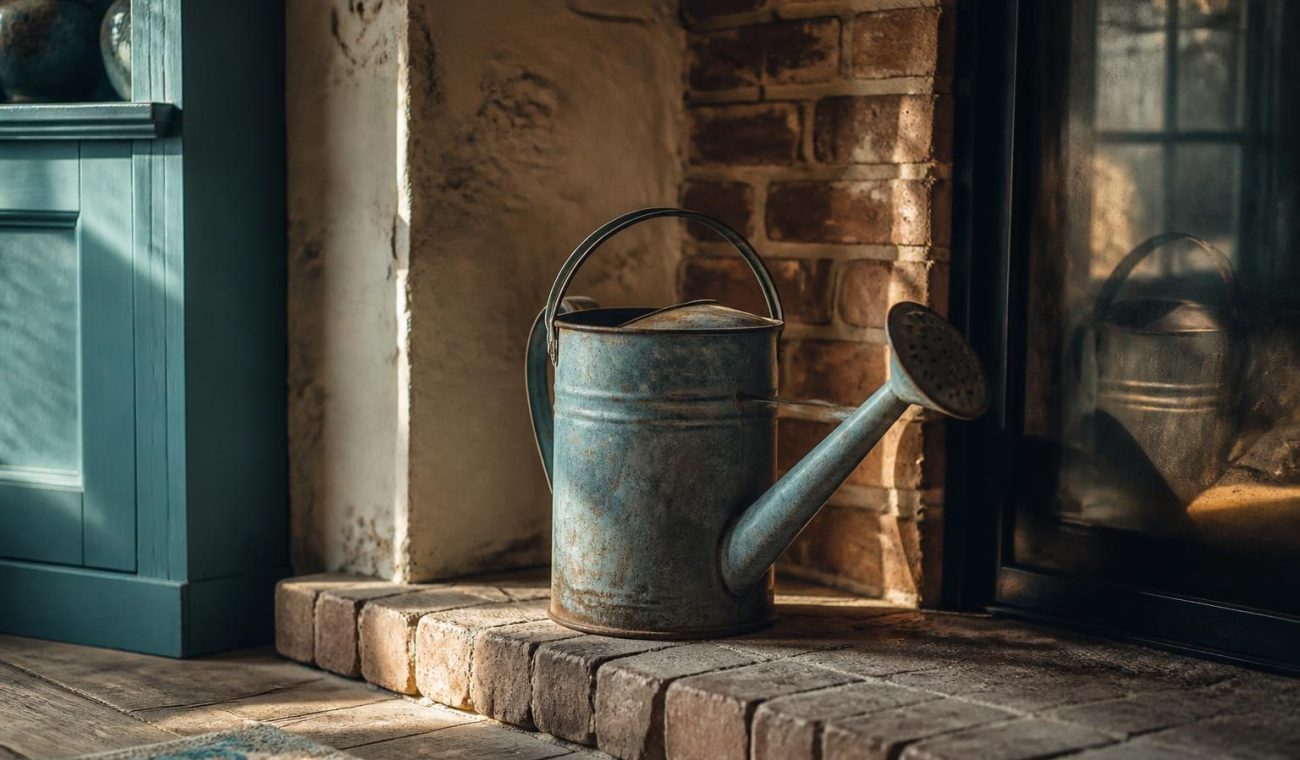
Opening considerations: bridging interior comfort with outdoor growth
In modern homes, the best decor fuses form and function, extending comfort from interior living rooms to sunlit patios. Thoughtful planning helps you align furniture, lighting, and plant placement so every corner feels intentional and inviting. Efficient irrigation, durable planters, and seasonal rotations keep the garden vibrant while preserving a calm interior ambiance that supports everyday living and low-maintenance upkeep. lidar technology enhances landscape planning by mapping terrain and elevation to guide plant placement and drainage strategies, a practical edge for home improvement projects.
As property owners, you can start with simple shifts: repurpose unused spaces, select fast-growing yet container-friendly specimens, and choose decor that resonates with the home’s architectural style. Layer textures, color palettes, and scents to create a cohesive vibe that flows from kitchen counters to garden benches. The goal is to cultivate a sanctuary that embraces gardening, interior comfort, and durable outdoor living with minimal maintenance.
Seasonal garden design: focusing on structure and flow
Seasonal garden design begins with a backbone of repeated shapes and heights—trellises, borders, and seating nooks—that visually connect outdoor zones. Pick a color scheme that mirrors interior accents, then plant to ensure year-round structure: evergreens for winter, flowering perennials for spring, and drought-tolerant species for arid summers. This approach reduces upkeep while preserving an inviting, cohesive look across spaces used for relaxation, meals, and play.
Container gardens offer flexible control over microclimates, enabling you to test plant combinations without committing permanent changes. Group containers by height to create vertical rhythm and use decorative mulch or gravel for defined pathways. By prioritizing texture and form, you maintain a robust exterior that complements interior decor, improves curb appeal, and supports healthy gardening habits for busy households.
Water-wise gardening and sustainable practices
Water-wise strategies are essential for low-maintenance gardens that still glow with vitality. Install drip irrigation with smart timers to minimize waste, and prioritize native or well-adapted species that thrive with local rainfall patterns. Mulching reduces evaporation, fosters soil health, and keeps plant roots insulated during temperature swings. These steps align with responsible home improvement goals and create a resilient landscape that sustains throughout the seasons.
Designing for shade and sun balance allows you to grow a diverse range of edibles and ornamentals without overtaxing resources. A mix of edible herbs in sunny corners and shade-tolerant ferns beneath trees creates a functional, calming palette. By integrating practical water management with tasteful planting choices, you achieve a garden that supports seasonal decor changes without requiring constant intervention.
Outdoor living rooms: furniture, lighting, and ambiance
Turn patios and decks into outdoor living rooms by selecting weather-resistant furniture that mirrors interior style, including cushions, textiles, and lighting motifs. Layer lighting—string lights for evenings, path lights for safety, and lanterns for intimate corners—to extend usability after dark. A thoughtfully arranged seating cluster invites conversations, while planters and vertical gardens add greenery without crowding the space.
Consider durable materials such as powder-coated metals, cedar, or synthetic wicker that withstands rain and sun. Accessorize with weatherproof textiles and soft rugs that echo indoor warmth, creating a seamless transition between interior and exterior decor. When the space feels intentional and comfortable, it becomes an extension of the home that supports daily routines and seasonal gatherings alike.
Edible landscapes: integrating gardening with cuisine and decor
Edible landscapes blend aesthetics with practical harvests, turning borders into productive features. Choose compact fruiting shrubs, culinary herbs, and leafy greens arranged in repeating blocks that echo kitchen color schemes. Raised beds or square-foot gardens improve accessibility, enabling quick harvests and frequent observation of plant health, which translates into more successful home improvement projects and a sense of ongoing achievement.
Incorporating edible elements into decorative containers allows you to combine beauty with utility, especially in smaller spaces or balconies. Pair herbs with ornamentals like flowering grasses, providing scent, texture, and visual appeal. A thoughtful mix reinforces the idea that decor and cultivation can coexist, enriching interior living while offering fresh ingredients for meals.
Seasonal maintenance routines: time-saving habits that pay off
Establish a simple, repeatable maintenance schedule to minimize effort while keeping both interior and exterior spaces polished. Monthly tasks might include pruning, weeding, feeding with appropriate compost, and refreshing mulch. Pair these with a weekly tidying routine inside: quick dusting, vacuuming, and plant care checks to ensure a harmonious flow between rooms and garden edges, supporting sustainable home improvement outcomes.
Automating routine tasks, from irrigation to indoor plant lighting, reduces manual labor and frees time for creative decorating or DIY improvements. Keep a small toolkit handy for quick fixes to planters or furniture, ensuring longevity. When maintenance becomes a predictable rhythm, you enjoy ongoing growth in both gardening and interior spaces without disruption.
Smart tools for smarter gardening and decor decisions
Modern gardening benefits from smart tools that anticipate needs and optimize outcomes. Soil sensors reveal moisture, pH, and nutrient levels, guiding fertilizer choices while preserving water. Apps tied to weather data help schedule tasks and monitor plant health, making interior designers and gardeners collaborators in a shared project. These technologies support informed decisions for long-term home improvement success.
Visual planning software and augmented reality previews allow you to mock layouts before buying plants or furniture, preventing costly missteps. For interior design, digital mood boards streamline color and texture choices that align with outdoor elements. By combining practical tech with hands-on care, you cultivate a garden that harmonizes with decor and daily routines, enhancing both spaces.
Conclusion: daily rituals that cultivate beauty and value
Building a home environment that blends interior comfort with garden vitality requires deliberate routines and thoughtful choices. Prioritize legible sightlines, accessible plant care, and durable materials in outdoor rooms to support long-term enjoyment. When you treat your outdoor spaces as an extension of interior decor, you create a cohesive, welcoming home that grows in value as seasons turn and trends shift.
With consistent attention to water use, soil health, and thoughtful decor, both home improvement and gardening become sustainable practices rather than chores. The result is a living space that invites use, fosters calm, and evolves with you, season after season, as a true expression of your personal style and care for the environment.