3 User-Focused Steps to Master Laser Marking Fume Extraction
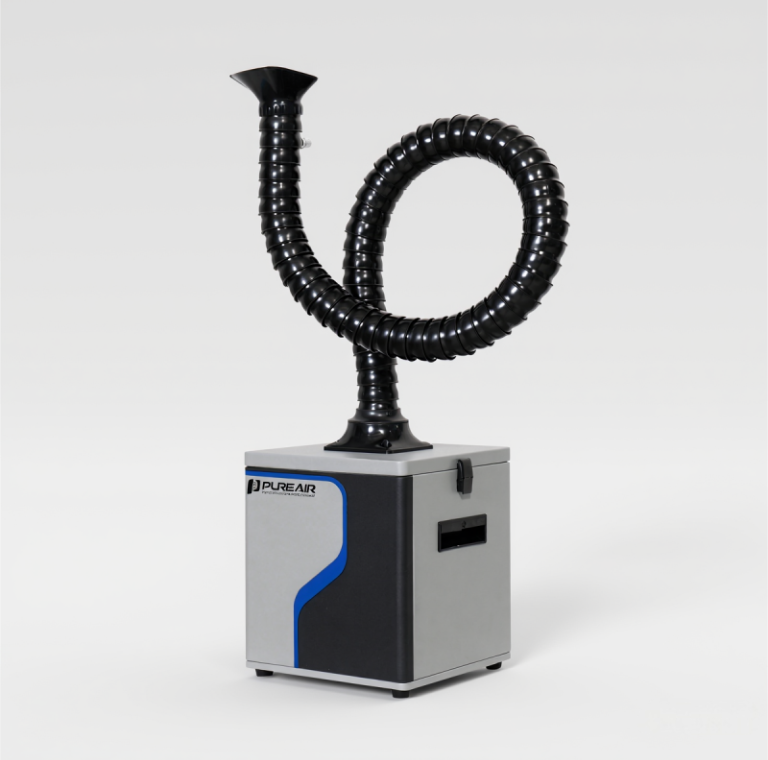
Introduction
I once stood on a shop floor while a junior operator sighed about smoke on every batch — that image stuck with me. In many mid-size shops a single misfiring sensor or clogged hose means employees choke on fumes and throughput drops; a good laser marking fume extractor would have cut that downtime in half. Today, manufacturers report up to a 40% rise in near-term maintenance costs when extraction systems are ignored (yes, the numbers bite). So how do we protect people, keep product quality steady, and limit surprise costs without overbuying equipment?
I write from the standpoint of someone who's helped teams pick systems in messy, real settings. I’ll walk through practical steps that focus on your team’s needs and the tech that actually helps — not the shiny specs that confuse purchasing. Along the way I’ll call out things I’ve seen fail, and ideas that work better than you might expect. Let’s move from the pile of problems to a clear plan.
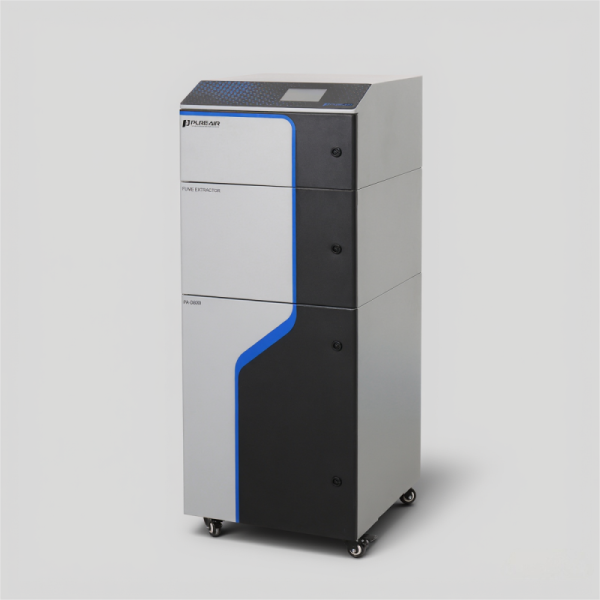 Hidden Pain Points Under the Hood of Laser Marking and Coding
laser marking and coding looks simple from the outside: a beam, a control board, a mark. But I’ve learned the hard way that the extraction side is where projects derail. Filtration mismatches, poor duct routing, and undersized blowers make fumes linger and contaminate optics. In short: the boundaries matter. When designers ignore extraction ductwork or skimp on HEPA filters, the result is repeated downtime and faster wear on optics and power converters. Look, it’s simpler than you think — but most teams miss it because they’re not trained to spot airflow problems early.
Why does the “small” stuff cause big headaches?
Because the symptoms are subtle at first. A slight drop in assisted cooling, a clog that grows over weeks, or a control board that trips when edge computing nodes spike — these are not one-off failures. They build up. I’ve seen production lines where operators treat smoke as a daily nuisance until product rejects climb. It’s frustrating for staff and costly for managers. We need to stop treating extraction like an afterthought; it’s a system element, not an accessory. — funny how that works, right?
New Principles for Cleaner, Safer Laser Workflows
Looking forward, I focus on principles that scale with real production: modular filtration, predictable airflow, and simple diagnostics. Modular filtration means you can swap cartridges or upgrade filters (HEPA or activated carbon) without halting a line. Predictable airflow uses basic measurements — static pressure, cubic feet per minute — so you don’t guess. And diagnostics should be readable by humans: a light, a simple log, or a threshold alarm that an operator actually understands. These are not glamorous, but they are effective — and they cut the surprise costs we both hate.
What’s Next for teams using laser marking and coding?
laser marking and coding systems will keep getting tighter tolerances, and extraction must keep pace. Embracing edge-friendly sensors and clear maintenance routines makes the difference between a system that’s “okay” and one that’s dependable. I recommend we test new units on a single line first, measure particle counts and service intervals, then scale. — and yes, that matters.
To help decide, here are three practical evaluation metrics I use with clients: 1) Filtration efficiency at the particle sizes you generate (ask for lab data), 2) System airflow stability under load (measure CFM and static pressure during peak runs), and 3) Ease of service — how quickly can an operator replace filters or clear ducts with basic tools? Measure these, and you’ll save headache and money. If you want a vendor that balances real-world needs with solid engineering, consider talking to PURE-AIR. I’ve worked with teams who found relief—really—and that practical relief is worth the effort.
Keep reading
 Garden
Creating a Welcoming Water Garden: A Practical Guide to Pond Plants and Filtration
 Home
Home
Water-Wise Gardeners: Designing a Pond-Side Retreat That Elevates Home Improvement and Interior Living
 Real Estate